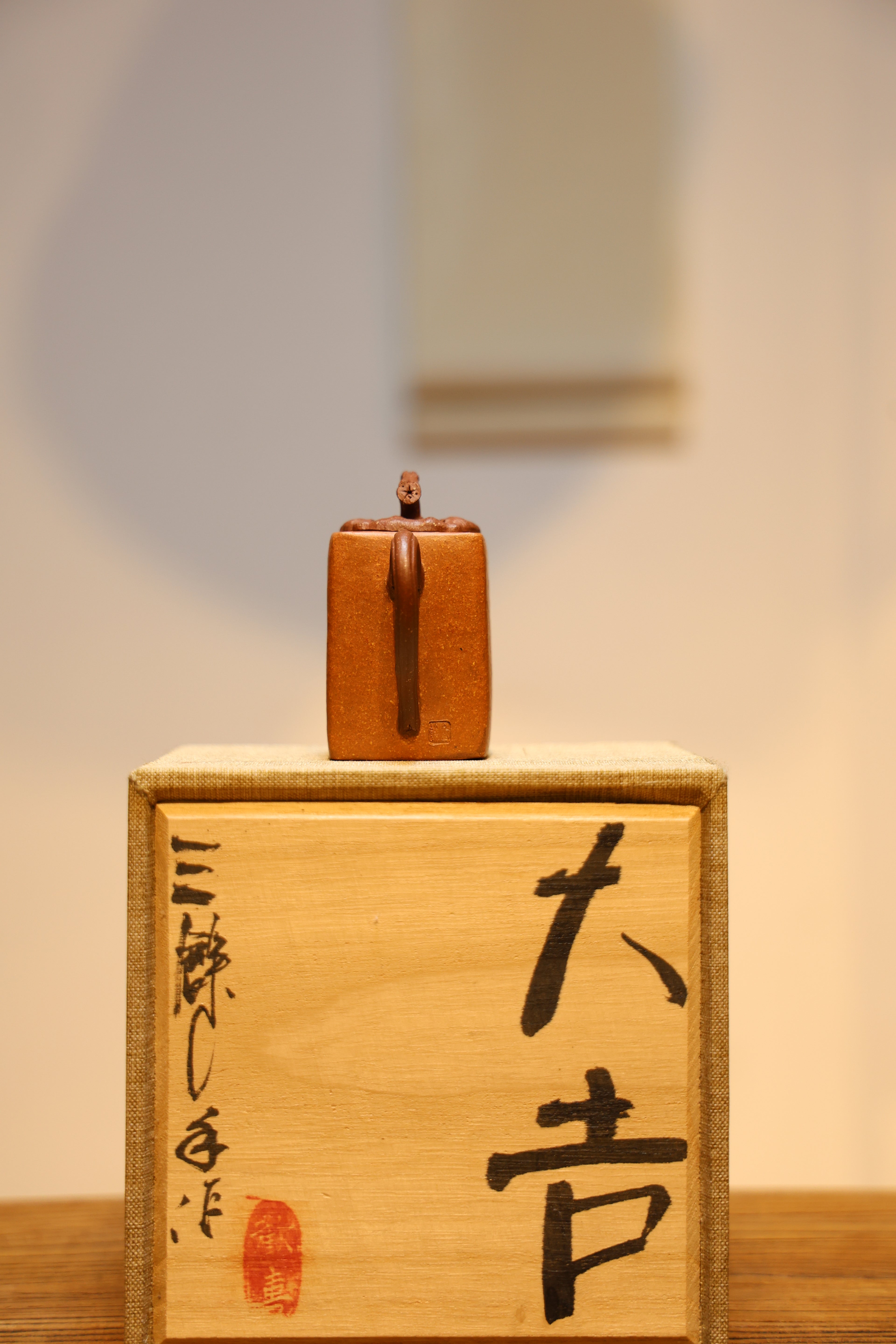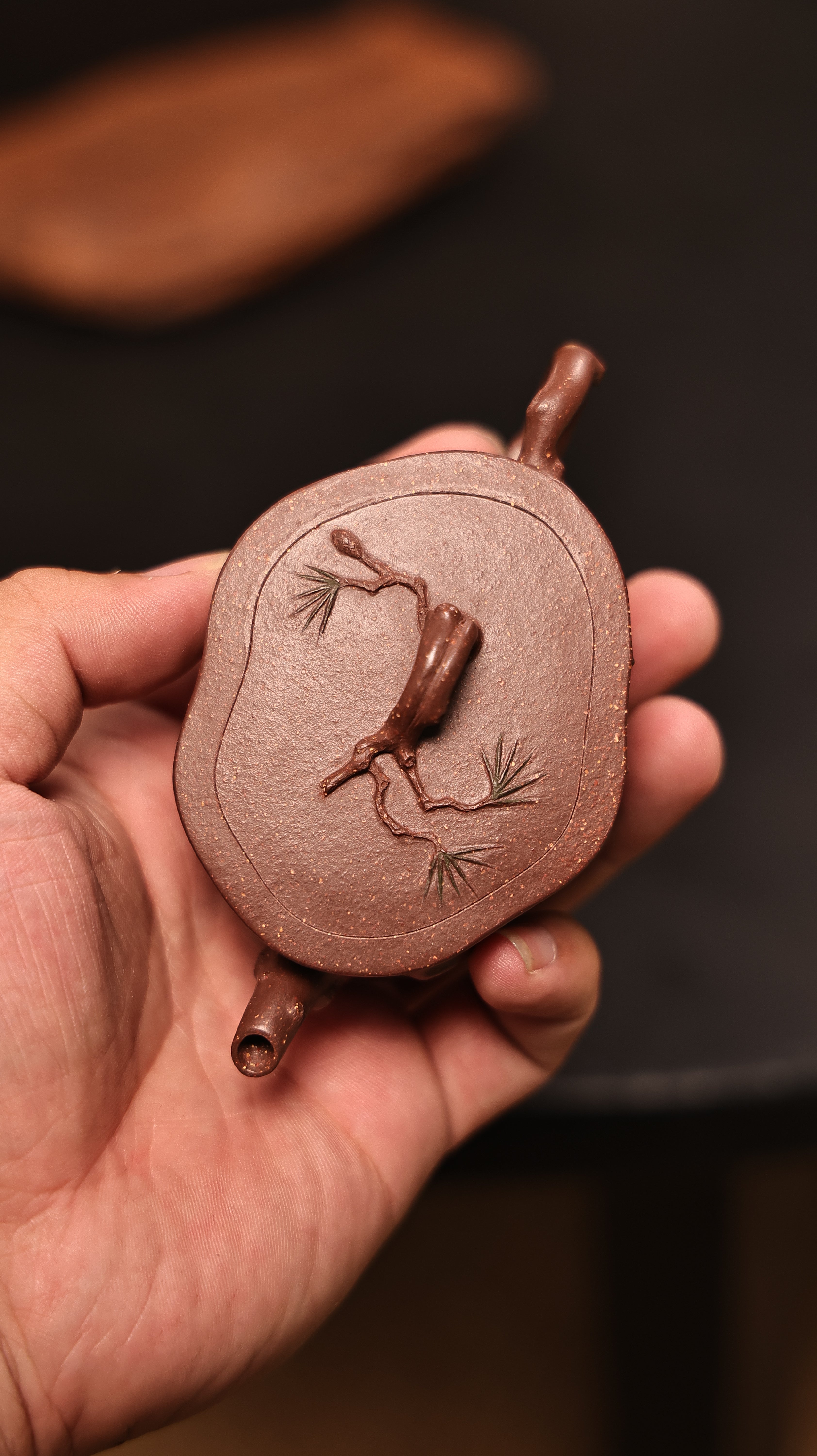
In the realm of timeless legacies,
Within eras, heritage seekers have been captivated by the one-of-a-kind charm of Yixing Zisha pitchers. Originating from the realm of Yixing in the Chinese province, these objects are renowned for their prominent beauty, singular clay, and congenital ability to enhance the taste of the infusion. The earth's distinctive maroon hue, combined with the expert construction of provincial potters, creates items that are simultaneously functional designs and cherished valuables. Gaining a Zisha teapot is more than just every purchase; it's adopting a rich legacy heritage.
Unraveling Yixing Teapots: Chronicles, Classifications, and Significance
The renowned Yixing teapots stand as a profound legacy deeply intertwined with Chinese culture. Stemming in the Yixing region of Jiangsu province, these clay vessels possess a heritage stretching back to the Ming Dynasty. Early examples were functional, but throughout centuries, Yixing teapot forging evolved into an esteemed art form. The clay itself, known for its unique composition and ability to boost the flavor of the tea, stays a defining factor. Yixing teapots exist in various styles, broadly categorized by shape: Typical such as Zhuni (purple clay) and Bisheng, as well as exclusive designs. The cost of a Yixing teapot relies on several factors, including the Zisha Teapot potter’s reputation, the age of the piece, the rarity of the clay, and its aesthetic grace.- Record: Founding era
- Substance: Bisheng
- Value Factors: Potter’s reputation
Zisha Pot Creation: Methods and Artists
The development of a true Zisha teapot is a challenging process, requiring generations of mastery. Seasoned artisans meticulously source the prime Zisha clay, a specialized earth found only in specific regions of China. Traditional techniques, often conveyed through families, involve exacting shaping, fine carving, and slow firing in ancient calcining chambers. The completed teapot isn't merely a utensil; it's a testament to creative vision and the serious connection between the potter and their roots. Each work showcases the particular touch of the designer, resulting in a truly one-of-a-kind work of expression.
Classical Pottery: Delving into the Comprehensive Customs of the Yixing Region
Celebrated Yixing, found in Jiangsu the jurisdiction, is widely renowned for its exceptional earthenware – a tangible representation of centuries of Chinese craftsmanship. These aren't merely vessels for processing tea; they are intricate works of skill, often reflecting spiritual ideals. This unique purple clay, known as Zisha, possesses notable qualities: the element dense, diffusive, and imparts a subtle flavor to the tea.
- Countless households have honed the techniques of Yixing jar making, passing down time-honored methods through times.
- Fans prize these pieces for their grace and rareness.
- Individual object tells a history, connecting the partaker to a rich tradition.
Committing to Yixing Zisha: Guiding Points
During exploring investing in Yixing Zisha earthenware, diverse criteria command careful assessment. To begin with, the ingredient's pigment is important; authentic Zisha typically exhibits a identifiable rust-colored undertone. Besides, assess the handiwork; sharp features and a flawless texture show expert workmanship. To finish, investigate the fabricator's background; distinguished names garner boosted costs and often bestow a stable reward.
Brewing Excellence with Zisha Teapots
Producing tasty tea with a Zisha jar is more than a simple technique; it's an skill. Zisha clay, celebrated for its unique elemental composition, imparts a light character to the brewed tea that’s often gone with other implements. The appropriate water thermal condition is vital; typically, gentler than what's used for black tea, to conserve the tea's essence and nuance. Consider scrupulously the tea type; delicate green teas or aged pu-erhs excel from the Zisha’s ability to mellow their intrinsic edge. It’s vital to heat the teapot prior to brewing, and to stop over-steeping. Mastering this method leads to a veritably exceptional tea episode.
- Realizing Zisha Clay
- Thermal Measure & Tea Type
- Criticality of Initial Heating
Looking After Your Esteemed Ceramic Pot
Intending to preserve the continuity of your esteemed Yixing earthenware, steady preservation is truly necessary. Never using synthetic products; instead, lightly spray it with lukewarm liquid. Ward off sharp changes; don't rest the kettle directly onto a heated stand. Periodically, enhance the clay pot by filtering it with top-notch black drink, as this aids to develop its nature and preserves the exclusive features of the material.
Dealing with Soil to Receptacle: The Development of a Renowned Utensil
A creation of a Zisha teapot is a noteworthy process, a proof to both the earth's bounty and the competence of the craftsperson. It originates with the careful extraction of the exclusive clay from the crimson Zisha mines adjacent to Yixing. This pristine material, known for its outstanding properties, is then patiently washed and arranged for the first forming. The container's profile is skillfully developed using a aggregation of traditional modeling systems, often incorporating sophisticated patterns. Following settling, the jar undergoes a indispensable first firing, subsequent by a surface treatment stage, which might involve various layers of earthy Zisha applications. Finally, a second, and sometimes third, firing at robust temperatures renders the composition, revealing its resolved beauty and exceptional characteristics - a genuine masterpiece, available to enhance a tea ritual.
{Yixing Teapots: A Embodiment of Chinese Heritage and Esteem
The Yixing region teapots, originating from the celebrated Yixing region of Jiangsu province, are far more than mere pots for brewing infusions; they represent a deep aspect of Chinese culture. Crafted from distinctive purple clay – zisha – these distinctive teapots are highly admired for their ability to enrich the flavor of the tea and, crucially, for their charm. The record of Yixing teapot making spans centuries, and the craft involved is passed down through generations, making each teapot a cultural artifact that embodies traditional techniques and a profound appreciation for the elegant pleasures in life.