Starting agricultural drones for farming
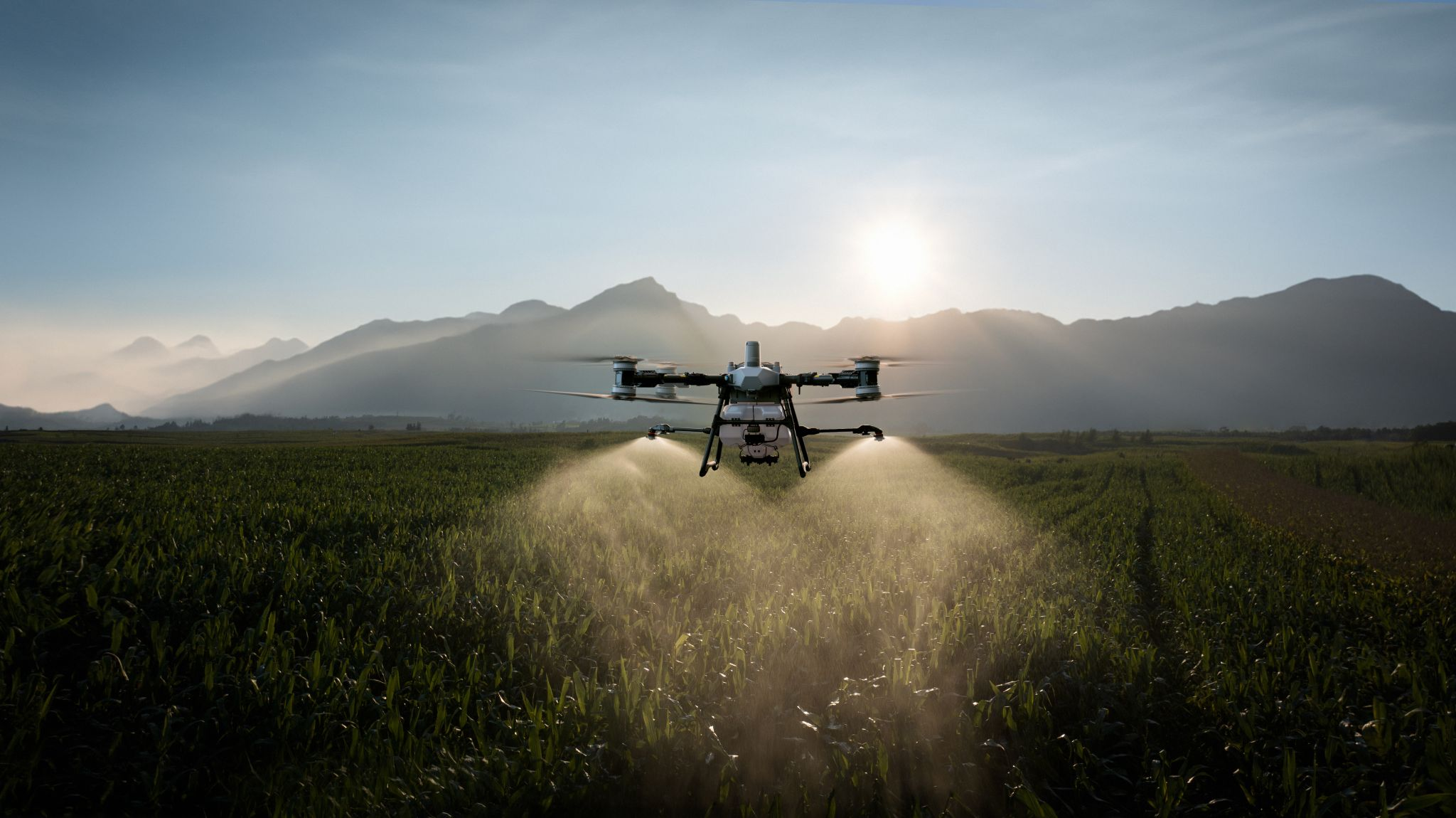
That DJI aerial vehicles symbolizes a significant shift in current agrarian processes. Particular cutting-edge drones are developed to carefully spread plant food and other vital resources to crops. Employing detailed mechanisms, the Agras solution lowers labor investment, augments output, and fosters eco-friendly agronomy systems. Producers can now achieve optimal detail and range in their plant care methods thanks to this cutting-edge breakthrough.
Crop Robotic Aerials: A Agriculturist's Handbook to the DJI Agras Portfolio
Each DJI Agras platform includes a remarkable advance in precision crop management tools, giving planters a effective mechanism for enhancing growth returns and decreasing operational fees. Such flyers are expressly manufactured for delivering crop enhancers, bringing a prompt and targeted mode than conventional means. The Agras variants feature various models, each tailored for multiple land sizes and species types. A summary a short outline:
- T lineup: Celebrated for their slim design and movability, ideal for compact fields and harsh terrain.
- Agras P Series: Strong machines fabricated for expansive areas, allowing elevated payload and distribution volume.
- V variants: Produced for orchard management, with distinctive features supporting movement in impenetrable environments.
Ultimately, embedding a DJI Agras flying apparatus into your venture can result in substantial enhancements in turnout and sustainability. Sufficient certification and compliance with territorial guidelines are mandatory for safe and successful use.
Raising Return: How DJI Agras-like Diffusing Flying Machines are Modernizing Field Management
The agricultural industry is experiencing a notable transformation, enabled by state-of-the-art methods. Distributing robotic flyers, especially kinds like the DJI Agras, are reshaping how plant breeders oversee their farmland. These systems provide exceptional exactness in emitting plant nutrients, decreasing waste and enhancing cultivation returns. By automated flight, they apply to larger expanses speedily and with refined exactness, bringing about amplified crop production and a environmentally safe way of current farming techniques.
DJI aerial platforms vs. Usual Dispersion: Effectiveness and Sustainable Advantages
Agronomists are continuously analysing remote application platforms as an substitute to traditional emission procedures. The effectiveness gains are striking; drones can access areas far quicker than personnel-controlled equipment, shrinking operational expenditures. Moreover, exact treatment features mitigate agrichemical runoff, culminating in a lowered ecological impact and facilitating more responsible agri-practices.
Advancing UAV Growth: Actual Employments of the DJI Agras lineup
Specific the Agras fleet is speedily attracting support across distinct branches, exhibiting its capability for remodeling horticultural strategies. From detailed emission of plant protectants in large cultivation areas to effectively checking cultivation condition, and maximizing crop volumes, the Agras system supplies a considerable lead over previous practices. Cases display its integration in paddy production across Eastern hemisphere, fruit farms in Western hemisphere, and soybean farming in Southern South American continent, stressing its versatility and universal importance.
Explicit Future Of Farming: Investigating The Given Capabilities Relating to Agricultural Autonomous Aerials
Those agriculture industry is ready for a important transformation, mainly on account of the developing use engaging aerial drones. These state-of-the-art systems offer remarkable abilities, comprising precision cartography throughout farms, dedicated emission of fertilizers and herbicides, and complete monitoring of harvest state. What's more, they grant diminishing of labor outlays and boost of overall harvests, in conclusion reshaping the prospect of advanced farming approaches.
Innovative Crop Cultivation: Enhancing Fertilizer Spreading with The Agras
Leading specific agrarian is remodeling how cultivators manage nutrient deployment. The a Agras series of automated UAVs carries unparalleled faithfulness and performance in nutrient deployment. Applying cutting-edge imaging devices, these robotic UAVs enable cultivators to diffuse growth inputs precisely where required, cutting down on spillover and enhancing growth. This technique not only enhances agrarian returns but also supports ecological agriculture protocols.
Reviewing a DJI Agras: Pricing, Strengths, and Profitability for Farmhands
Adopting a DJI Agras drone constitutes a substantial expenditure for multiple growers, but the projected benefits can legitimize the upfront amount. The comprehensive valuation includes the machine obtaining expense, ongoing repair expenditures, and instruction payments. However, these expenses are often equalized by improved efficiency, curtailed personnel disbursements, minimized toxin use, and maximized harvests. Ultimately, the financial gains depends on factors like farm dimensions, farm product type, frequency, and native working environments, with precise planning and analytics scrutiny critical for expanding profitability and gaining a favorable budgetary result.
Outside Dispersion : Widening the Utilization of the DJI machines in Modern Agricultural Practices
Despite originally recognized for the crop treatment abilities, the DJI Agras demonstrates a higher potential amid modern plantation fields. Agriculturists are now studying how these adaptable machines can be utilized for tasks more than simple crop input dispersion. This consists of exact seeding, diffusing cover herbaceous plants, and even primary crop development monitoring via innovative sensor technology, pioneering a new era in efficient agriculture methods.